IoT and IPv4: A Growing Challenge in Connectivity
IoT devices are everywhere these days, and they all need IP addresses. The problem? We're running out of IPv4 addresses fast. This creates some tough questions: How do we keep everything connected when IPv4 addresses are getting scarce? And what can we do now to prepare for the future?
How Big Is This Problem?
We're talking about an explosion of connected devices - smart thermostats, industrial sensors, fitness trackers, you name it. Each one needs its own network address. But the pool of available IPv4 addresses is shrinking quickly.
What Businesses Need to Think About
- Plan ahead - Figure out how many IP addresses you'll need now and in the future
- Budget wisely - IPv4 addresses cost real money now, so plan your purchases strategically
- Think long-term - Balance your immediate IPv4 needs with moving to IPv6 eventually
- Optimize what you have - Use smart address management and NAT to stretch your current resources
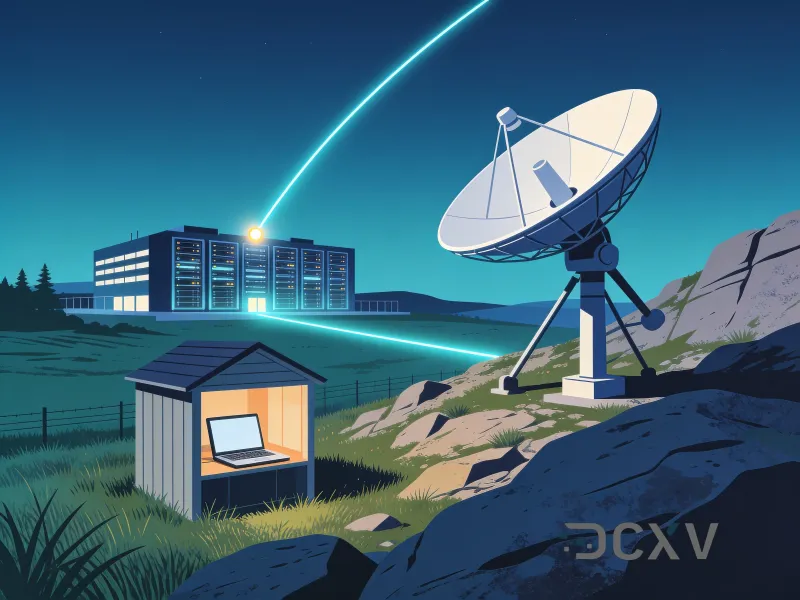
Devices on satellite or mobile links often sit behind CGNAT and cannot be reached at all. Our Starlink Mini 2 analysis counts Starlink's public IPv4 addresses and shows a WireGuard relay that gives such devices one fixed IPv4.
How DCXV Can Help
We specialize in IPv4 brokerage - basically helping businesses get the IP addresses they need. Here's what we do:
- Help you buy and manage IPv4 addresses
- Plan your IoT rollouts strategically
- Optimize your network setup
- Prepare you for the future
As IoT keeps growing, let's work together to keep your devices connected without breaking the bank.
Need IPv4 resources for your IoT deployment? Contact us at ipv4@dcxv.com!