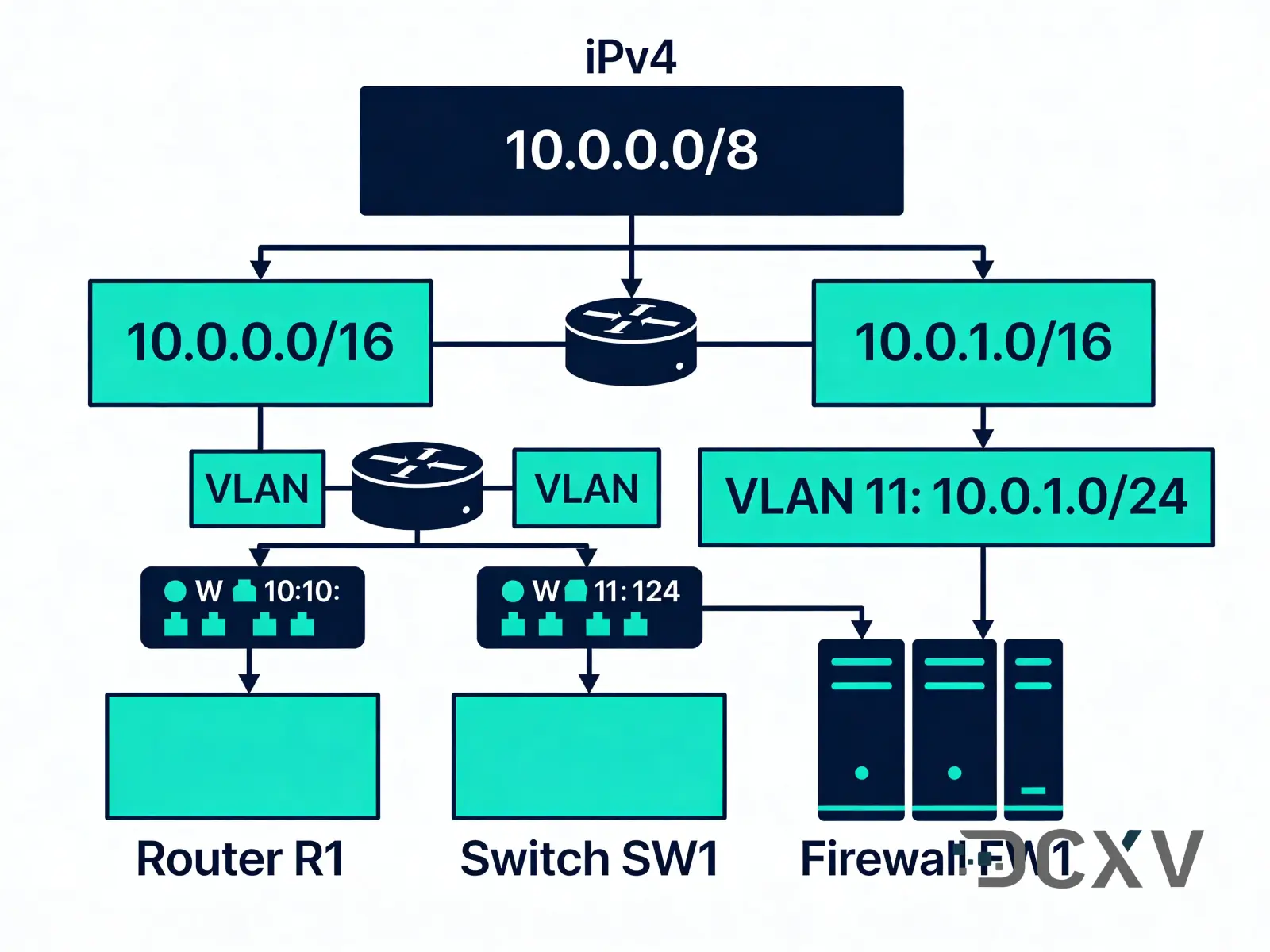
IPv4 /16 Block Price in 2026
A /16 block contains 65,536 IP addresses. This is the scale of acquisition associated with national telecom operators, major hosting groups, cloud infrastructure providers, and governments. Transactions at this size are rare, typically negotiated privately, and require careful due diligence by both parties.
Market Prices We Saw in April 2026
/16 blocks represent a significant capital commitment. Buyers at this level are sophisticated organizations that understand the long-term value of IP address holdings.
| Region | Block Size | Price Range (total block, April 2026) |
|---|---|---|
| RIPE NCC | /16 (65536 IPs) | $2,500,000 - $3,500,000 |
| ARIN | /16 (65536 IPs) | $2,700,000 - $3,800,000 |
| APNIC | /16 (65536 IPs) | $2,300,000 - $3,200,000 |
| LACNIC | /16 (65536 IPs) | $2,100,000 - $3,000,000 |
| AFRINIC | /16 (65536 IPs) | Contact for quote |
These are the ranges DCXV saw in its own brokerage deal flow in April 2026, not a quote and not a present-day price. Every /16 is individually negotiated, and what one trades for depends on its cleanliness, its routing history and demand at the moment of the deal. The live source is IPv4 pricing. Contact ipv4@dcxv.com to discuss your specific requirements and receive a current market assessment. https://dcxv.com/ipv4/ripe/16
Price Trend 2022-2026
The /16 market is thin by nature. Very few /16 blocks change hands in any given year, which means each transaction can have an outsized effect on market perception. In 2022, when hyperscale cloud providers were actively accumulating space, /16 transactions commanded peak premiums. The 2023-2024 period saw fewer /16 transactions as major accumulations slowed.
In 2025 and into 2026, /16 demand comes from a different profile of buyer: regional telecom operators in emerging markets, governments building national internet infrastructure, and mid-tier cloud providers expanding to new geographies. These buyers are often more price-sensitive and negotiate harder than the hyperscale buyers of 2021-2022.
Sellers of /16 blocks are typically organizations that received legacy allocations decades ago and are now rationalizing their IP holdings. Legacy /8 and /16 holders in the ARIN and RIPE regions occasionally bring blocks to market.
What Affects /16 Block Price
Block contiguity and aggregation: A true /16 from a single legacy allocation is worth considerably more than sixteen /20 blocks assembled to reach the same IP count. The routing table efficiency of a single /16 announcement is valuable.
Routing history and reputation: At /16 scale, any abuse history in a sub-block affects the entire block's market value. A thorough reputation audit is essential before pricing.
Registry and policy constraints: RIPE NCC /16 transfers are subject to the same policies as smaller transfers but involve more documentation due to the scale. ARIN /16 transactions are rare and often involve pre-transfer audits by ARIN staff.
Seller entity structure: Corporate /16 sales sometimes require board approvals, legal opinions, and extended due diligence. Buyers should budget time for this process.
Market timing: With only a handful of /16 transfers per year in any registry, timing matters. A motivated seller can sometimes be found through broker networks when no public listing exists.
Price Difference: RIPE vs ARIN vs APNIC
RIPE NCC /16 blocks are the most liquid in Europe. Organizations holding legacy European allocations from the 1990s sometimes seek to monetize all or part of their address space. DCXV's brokerage network in Czechia and Portugal gives us access to European legacy holders.
ARIN /16 blocks command the highest absolute prices. North American legacy holders include universities, early internet companies, and large enterprises. Many have been strategic about releasing space and tend to negotiate for full market value.
APNIC /16 blocks are less frequently traded but interest is growing from buyers in the Middle East and Southeast Asia who need regional address space but find RIPE or ARIN space too expensive or administratively complex.
How to Get a Current Quote
DCXV handles /16 transactions as a specialist IPv4 transfer broker across the RIPE NCC, APNIC and ARIN regions. AS204057 and our locations in Czechia and Portugal support the technical due diligence component of large block transfers.
For /16 inquiries:
- Describe your organization and intended use
- Specify your target registry region
- Indicate your timeline and budget range
- Confirm whether you need a contiguous /16 or can accept assembled equivalent space
Contact ipv4@dcxv.com. Large block negotiations are handled with full confidentiality. We can represent either buyer or seller side and provide fair market valuations. https://dcxv.com/ipv4/ripe/16