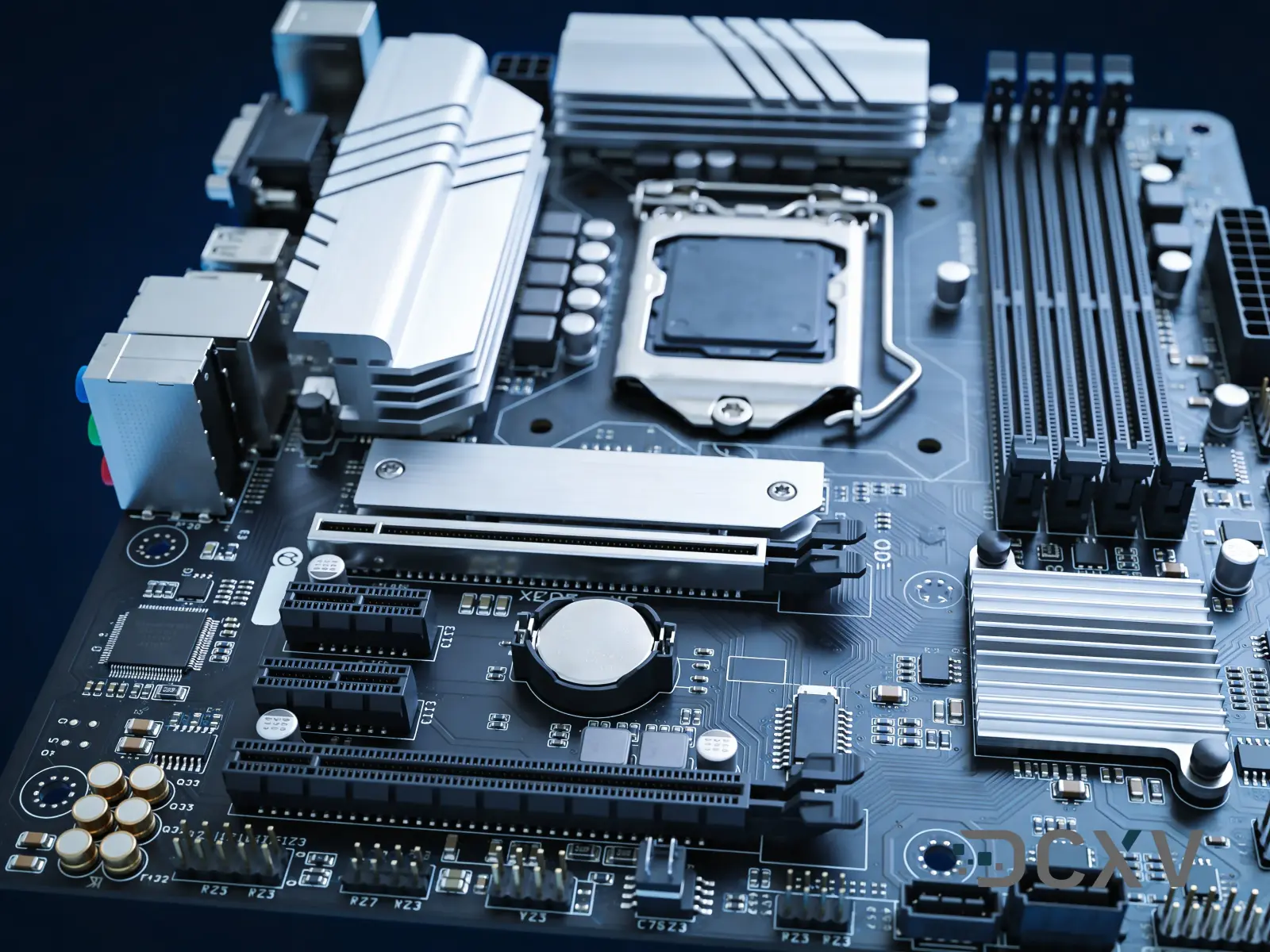
How Much Does a Bare Metal Server Cost Per Month
Bare metal servers give you exclusive access to physical hardware without a hypervisor layer. This translates to maximum performance and predictability, but the price reflects that. In 2026, bare metal monthly costs run from EUR 80 for entry configurations to EUR 1000+ for multi-socket enterprise builds.
Price Ranges by Tier
Budget tier (EUR 80-200/month): Entry bare metal at this price point typically features a single-socket server with an Intel Xeon E or AMD EPYC entry-level CPU, 32-64 GB ECC RAM, 2x 1 TB SATA SSD in RAID 1, and a 1 Gbps uplink. Suitable for web hosting, development clusters, and applications that need dedicated hardware but not extreme throughput.
Mid-range tier (EUR 200-500/month): Modern single-socket builds with AMD EPYC 7003 or Intel Xeon Scalable (Ice Lake/Sapphire Rapids), 128-256 GB ECC RAM, NVMe storage arrays (4-8 TB usable), and 1-10 Gbps uplinks. These machines run production databases, large-scale application stacks, and high-traffic portals. Provisioning at quality providers runs 24-48 hours.
Enterprise tier (EUR 500-1000+/month): Dual-socket configurations, 512 GB+ ECC RAM, high-speed NVMe arrays in RAID, and 10-25 Gbps dedicated uplinks. Designed for financial workloads, analytics pipelines, and applications with strict latency requirements. Some configurations cross EUR 2000/month for dual AMD EPYC 9004 (Genoa) builds with full NVMe.
What Drives the Cost
- Socket count - dual-socket servers cost substantially more than single-socket equivalents.
- CPU tier - EPYC 9004 (Genoa) and Intel Xeon 6 cost significantly more than previous generations.
- RAM capacity and type - DDR5 ECC on modern platforms vs DDR4 ECC on older platforms; 512 GB vs 64 GB is a major cost driver.
- Storage performance - enterprise NVMe (U.2/E1.S) costs 3-5x more than consumer-grade SATA SSD per TB.
- Network port speed - 10 Gbps guaranteed uplink can add EUR 50-150/month vs a basic 1 Gbps shared port.
- Power consumption - some providers charge for power usage above a threshold, relevant for high-TDP configurations.
- Physical location - North American bare metal typically runs 20-35% more expensive than equivalent European hardware.
Price Comparison Table
| Provider | Config | Monthly Price | Provisioning | Location |
|---|---|---|---|---|
| DCXV | EPYC/Xeon, 64 GB RAM, NVMe | from EUR 210 | under 24 h | Czechia / Portugal |
| Hetzner | Intel, 64 GB RAM, SSD | from EUR 80 | 1-7 days | Germany |
| OVH | Intel, 128 GB RAM, SSD | from EUR 120 | 24-72 h | France |
| Equinix Metal | Intel, 64 GB RAM, SSD | from EUR 400 | minutes | Multi-region |
| AWS Bare Metal (m5.metal) | 96 vCPU, 384 GB RAM | from EUR 4000 | minutes | Multi-region |
DCXV Bare Metal Pricing
DCXV provisions bare metal and dedicated servers from Tier III data centers in Czechia and Portugal. The facility uptime SLA is 99.982% and the service SLA is 99.982%. Bare metal provisioning completes in under 24 hours, significantly faster than many competitors.
Support is staffed 24/7/365 with an average first-response time of around 10 minutes. The infrastructure runs under Cyprus jurisdiction and is GDPR-native, which matters for EU data residency requirements. Network connectivity is via AS204057.
For bare metal configurations, contact sales@dcxv.com for a custom quote based on your specific CPU, memory, storage, and bandwidth requirements. Cloud VPS options start at EUR 15/month and provision in under 10 minutes at https://dcxv.com/data-center#dedi.
Hidden Costs to Watch For
- Remote hands and KVM - physical access to your server (reboots, cable changes, OS reinstalls via KVM) may be billed per incident at EUR 25-100.
- Cross-connect fees - connecting your bare metal server to a private network or cloud provider often requires a paid cross-connect.
- IPMI/iDRAC/iLO access - some providers charge for out-of-band management access that should be standard.
- Bandwidth overages - unmetered ports sound unlimited but often have a fair-use policy with charges beyond the threshold.
- Rack space for additional hardware - if you want to co-locate a network appliance alongside rented bare metal, rack unit fees apply.
- Hardware replacement SLA - standard hardware replacement may be best-effort (24-48 hours) rather than 4-hour SLA; premium NBD or 4-hour hardware SLAs cost more.