How Much Does a /24 IPv4 Block Cost
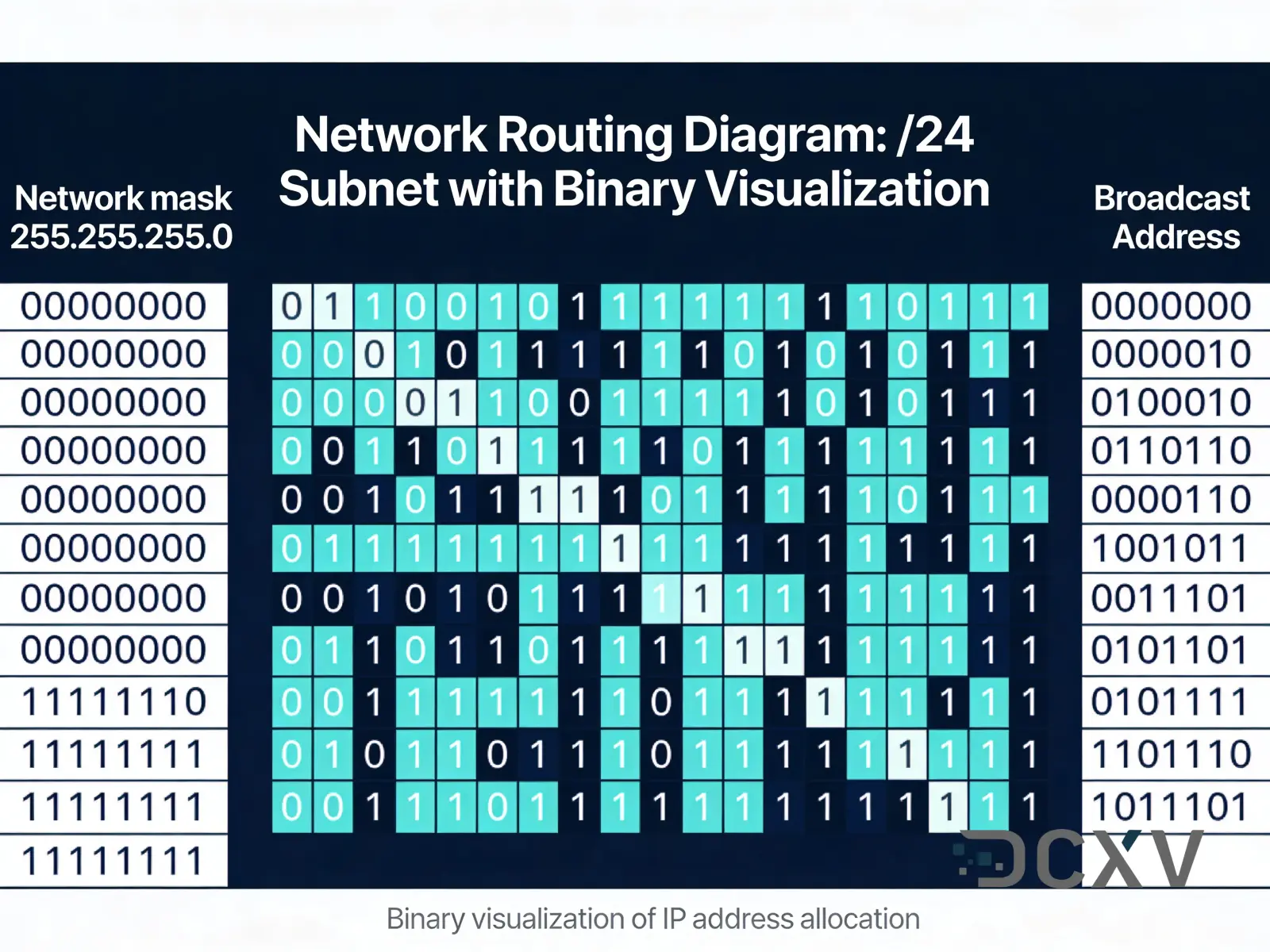
A /24 IPv4 block contains 256 addresses and is the smallest block size that is independently routable as a BGP prefix in most networks. This makes /24 blocks the most commonly traded unit in the IPv4 secondary market. Whether you are buying for a growing infrastructure, leasing for operational needs, or considering an investment in IP address space, understanding /24 pricing in 2026 is essential.
Price Ranges by Tier
Lease pricing (operational use, monthly): Leasing a /24 block avoids large upfront costs and is suitable for organizations that need IPv4 space for operational purposes without committing capital. Monthly lease rates vary based on RIPE, ARIN, or APNIC origin, block cleanliness, and provider. Rates range from lower monthly payments for ARIN blocks to premium rates for clean RIPE region addresses.
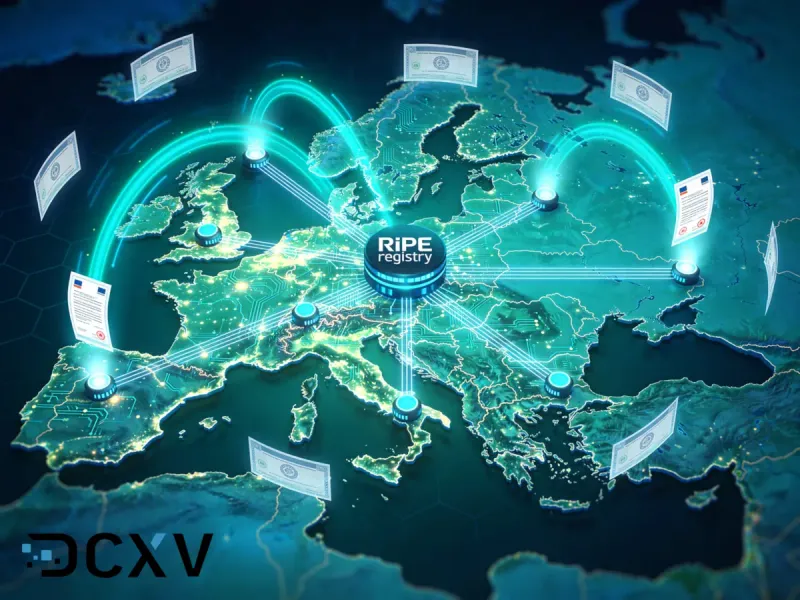
Purchase pricing (one-time acquisition): Buying a /24 block outright gives you permanent ownership of the address space, subject to RIR registration and transfer fees. In 2026, /24 block values reflect sustained scarcity. RIPE region blocks carry a premium over other regions due to European regulatory requirements and demand from EU-based businesses. Prices are strongly influenced by whether the block has a clean routing history and no blacklist entries.
Enterprise lease (multiple /24 blocks, volume): Organizations leasing multiple /24 blocks simultaneously can often negotiate volume discounts. Multi-block agreements covering contiguous space (/23 or /22 composed of multiple /24 allocations) may be available with improved per-address rates.
Dirty or history-encumbered blocks: Blocks with spam, abuse, or blacklist history trade at a significant discount to clean blocks. Remediation - getting a block delisted and establishing clean routing history - takes time and is not guaranteed. Budget a 20-40% discount on purchase price for blocks requiring cleanup, plus remediation cost.
What Drives the Cost
The /24 block market is driven by the same scarcity that affects all IPv4 space, but the /24 is particularly liquid because it is the minimum independently routable unit accepted by most internet exchange points and major network operators. This routability premium makes /24 blocks more valuable per address than larger blocks where some addresses are consumed by network and broadcast. RIPE region blocks are specifically valuable for European network operators who need to demonstrate regional IP allocation for content delivery, geolocation accuracy, or regulatory reasons. Block reputation is a major factor: a pristine block with no abuse history and no blacklist presence is worth more than an equivalent block with a spotty record.
Price Comparison Table
| /24 Block Type | Lease Range (monthly) | Notes |
|---|---|---|
| ARIN region, clean | Contact for quote | Lower demand in EU contexts |
| APNIC region, clean | Contact for quote | Asia-Pacific origin |
| RIPE region, clean | Contact for quote | EU premium, high demand |
| RIPE region, needs cleanup | Contact for quote | Discount applies |
| Contiguous /23 (2x /24) | Contact for quote | Volume rate available |
DCXV /24 IPv4 Services
DCXV operates AS204057 and offers /24 IPv4 blocks from RIPE region inventory for both leasing and purchase. As a European network operator, DCXV maintains clean address space with established routing history. Blocks available through DCXV are suitable for direct operational use without remediation delays.
DCXV provides routing announcements, reverse DNS delegation setup, and transfer documentation as part of its IPv4 service. Flexible lease terms are available for operational requirements.
For current /24 block pricing, contact ipv4@dcxv.com. Rates depend on block origin, quantity, and lease duration. https://dcxv.com/ipv4/ripe/24
Hidden Costs to Watch For
A /24 block acquisition or lease has multiple cost layers beyond the headline price. RIPE NCC or other RIR transfer fees apply for purchases. Legal review of transfer contracts is recommended for significant investments. Routing setup with your upstream transit provider may involve configuration fees. Reverse DNS delegation requires technical coordination. If purchasing a /24 with any abuse history, factor in time cost for delisting campaigns - major blocklists like Spamhaus SBL or UCEPROTECT can take months to clear depending on the reason for listing. Monthly lease agreements often include automatic renewal clauses; check termination notice requirements before signing.