How to Buy IPv4 Addresses for AI Infrastructure
AI infrastructure has distinct IPv4 requirements compared to traditional hosting. GPU clusters, inference endpoints, model APIs, and distributed training workloads each have different addressing patterns. Whether you are building a private AI cluster, a multi-tenant GPU cloud, or a large-scale model inference platform, this guide helps you size your allocation, choose the right registry, verify block quality, and navigate the acquisition process.
How many IPs does AI infrastructure typically need (block size guide)
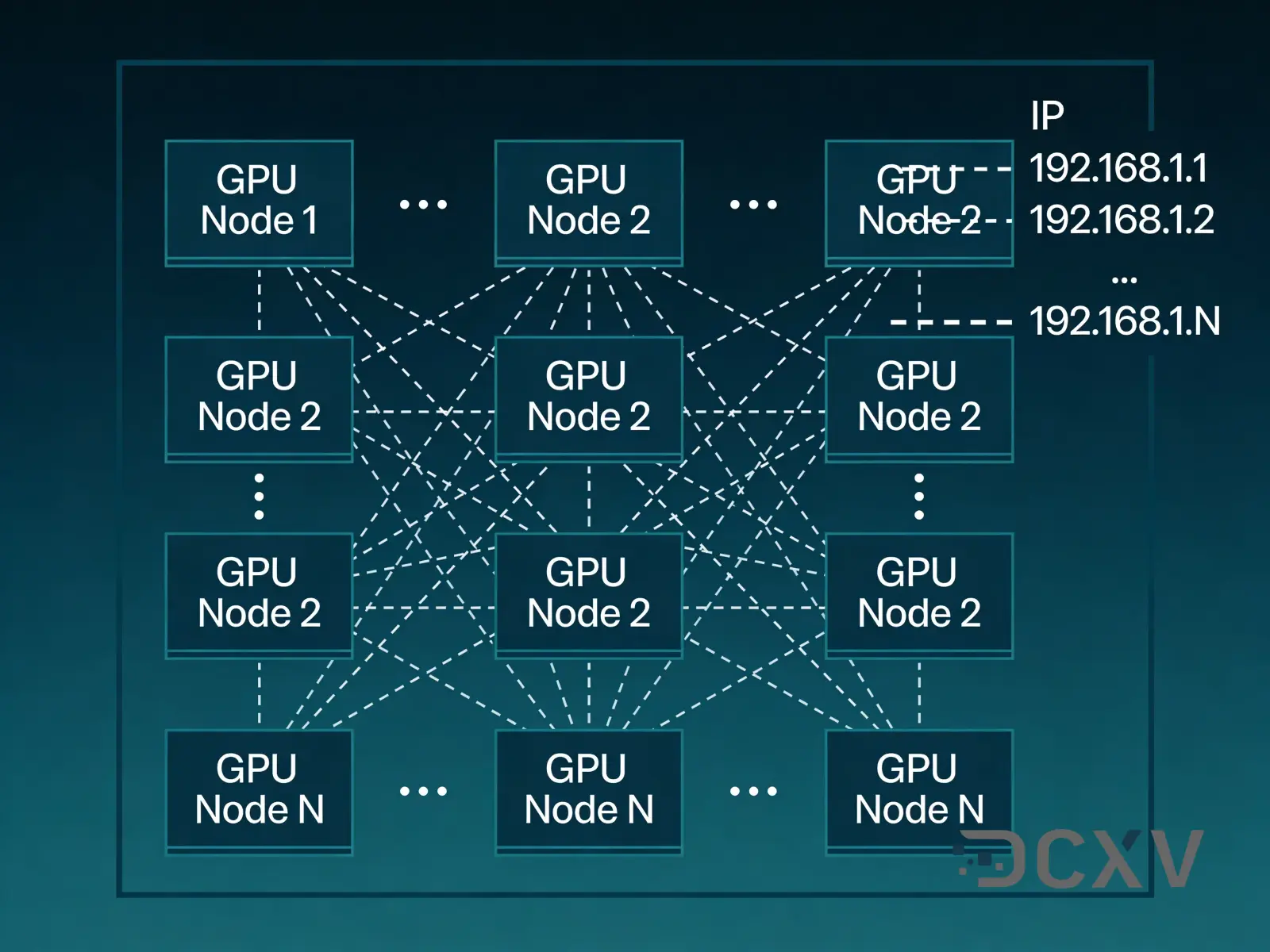
AI infrastructure IP requirements depend heavily on your architecture. A private GPU cluster for internal use may need relatively few public IPs - typically one per management interface plus IPs for any externally accessible APIs or monitoring systems. A public-facing inference platform or GPU cloud has substantially higher requirements.
For a small to medium inference cluster (8-64 GPUs), a /24 (256 addresses) is usually sufficient for management, monitoring, and API exposure. Multi-tenant GPU clouds serving external customers often need /22 or /21 blocks to support per-customer IP allocations. Large-scale AI training clusters with distributed networking may require /20 or more, particularly when each training node needs a routable management address.
Consider the following specific to AI workloads: model APIs often require dedicated IPs per endpoint for SSL certificate management and rate limiting. Federated learning systems may need IPs in multiple geographic regions. AI security scanning services need clean IPs to avoid triggering content filters at target sites.
If you are deploying a GPU cloud that sells compute to third parties, your customers will expect to receive dedicated IPs for their instances. Factor in an allocation per customer alongside your infrastructure overhead.
RIPE vs ARIN vs APNIC - which region to buy from
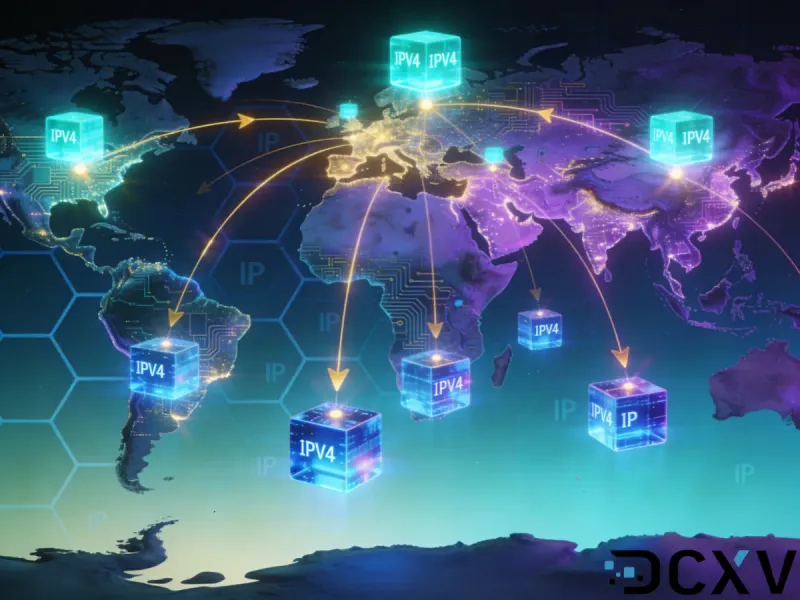
For AI infrastructure in Europe, RIPE space is the natural choice. European AI regulation (including emerging AI Act requirements around data sovereignty) increasingly favors EU-based infrastructure with EU-region addressing. RIPE space is well-accepted by European cloud providers, research networks, and enterprise customers.
ARIN space is appropriate for North American AI deployments or for organizations with significant US-based customer bases. Some AI platforms operating globally maintain both RIPE and ARIN allocations to optimize routing and customer-perceived performance.
APNIC space is relevant for Asia-Pacific AI operations. Given the significant AI compute demand in Japan, South Korea, and Singapore, APNIC-allocated addresses may be strategically useful for serving those markets.
One practical note: AI inference endpoints that serve global customers benefit from anycast routing using multiple address pools. If this is your architecture, planning multi-registry acquisition from the start is worthwhile.
How to verify a clean IPv4 block before buying
Clean IP reputation is especially important for AI infrastructure. AI APIs accessed by enterprise customers may be blocked by corporate firewalls if the source IPs carry abuse history. Web scraping or data collection tools run from tainted IPs will encounter CAPTCHAs and blocks that reduce throughput and increase costs.
Check all candidate blocks against Spamhaus SBL, XBL, PBL, Spamhaus DROP, and SURBL. Run the range through AbuseIPDB to identify any recent abuse reports. Verify routing history through BGPView - consistent routing by legitimate ASNs over the past 2-3 years is a positive signal.
For AI-specific use cases involving outbound HTTP requests (data pipelines, model training data collection, inference callbacks), also check against common anti-abuse systems used by major platforms. A block that is listed even in minor databases can cause disproportionate friction for AI workloads.
Request a signed attestation from the seller confirming no pending abuse cases, no DMCA disputes, and no active blacklist removal requests in progress.
Broker vs direct transfer - risks and benefits
AI companies often move quickly and want to complete acquisitions without prolonged negotiation. Direct transfers between organizations are possible but require both parties to have active RIR accounts and the operational bandwidth to manage the process.
The risk of direct transfers for AI infrastructure operators is that incomplete due diligence on block reputation can create immediate operational problems after deployment. Unlike a traditional hosting customer who might tolerate a few filtered IPs, AI workloads often fail completely if the source IPs are blocked by target systems.
A broker provides independent verification, escrow, and RIR submission management. For AI companies where IP reputation directly affects product performance, this is a worthwhile investment. DCXV is an IPv4 transfer broker for the RIPE NCC, APNIC and ARIN regions, with experience supporting AI and GPU compute operators. Contact ipv4@dcxv.com to discuss your requirements. https://dcxv.com/ipv4/buy
Current market pricing and timeline (ranges only)
IPv4 pricing is driven by block size, registry, and timing. The AI infrastructure boom has increased demand for quality blocks, particularly /24 and /23 sized allocations suitable for small to medium clusters. This increased demand has pushed prices upward from levels seen a few years ago.
RIPE transfer timelines are typically 2-4 weeks for straightforward transactions. If you need IPs quickly for a time-sensitive deployment, discuss expedited options with your broker. Multi-registry acquisitions take longer and require coordinated planning.
For accurate current pricing on block sizes relevant to your AI infrastructure and a timeline assessment, contact ipv4@dcxv.com. https://dcxv.com/ipv4/buy