How to Buy IPv4 Addresses for a CDN
Content delivery networks require IPv4 addresses at every point of presence (PoP). Each PoP needs IPs for cache servers, load balancers, DNS resolvers, and management infrastructure. CDN operators also benefit from anycast routing, which requires careful planning around which address blocks to announce from multiple locations. This guide covers how to size, source, verify, and acquire IPv4 blocks for CDN operations.
How many IPs does a CDN typically need (block size guide)
CDN IP requirements scale with the number of PoPs and the services offered at each location. A small PoP serving a single city might operate with 8-16 IPs: a few for cache servers, one for the load balancer, one for management, and a few spares. A larger PoP with redundant cache layers and multiple service tiers might use 32-64 IPs.
For anycast CDN deployments, you announce the same IP block from multiple PoPs simultaneously. This requires acquiring a block large enough to support all your services and announcing it from all locations. Anycast CDNs often use a /24 as their announcement unit - the minimum routable block that will be accepted by all BGP peers. One /24 per regional cluster is a reasonable starting point.
For a CDN with 10 PoPs using anycast, you might need 2-4 /24 blocks: one for CDN delivery IPs, one for management and origin infrastructure, and reserves for future expansion. CDNs that offer dedicated IP options to customers need substantially more address space.
Plan your block allocation around BGP announcement strategy from the beginning. Acquiring a /23 that you can split into two /24 announcements gives you operational flexibility.
RIPE vs ARIN vs APNIC - which region to buy from
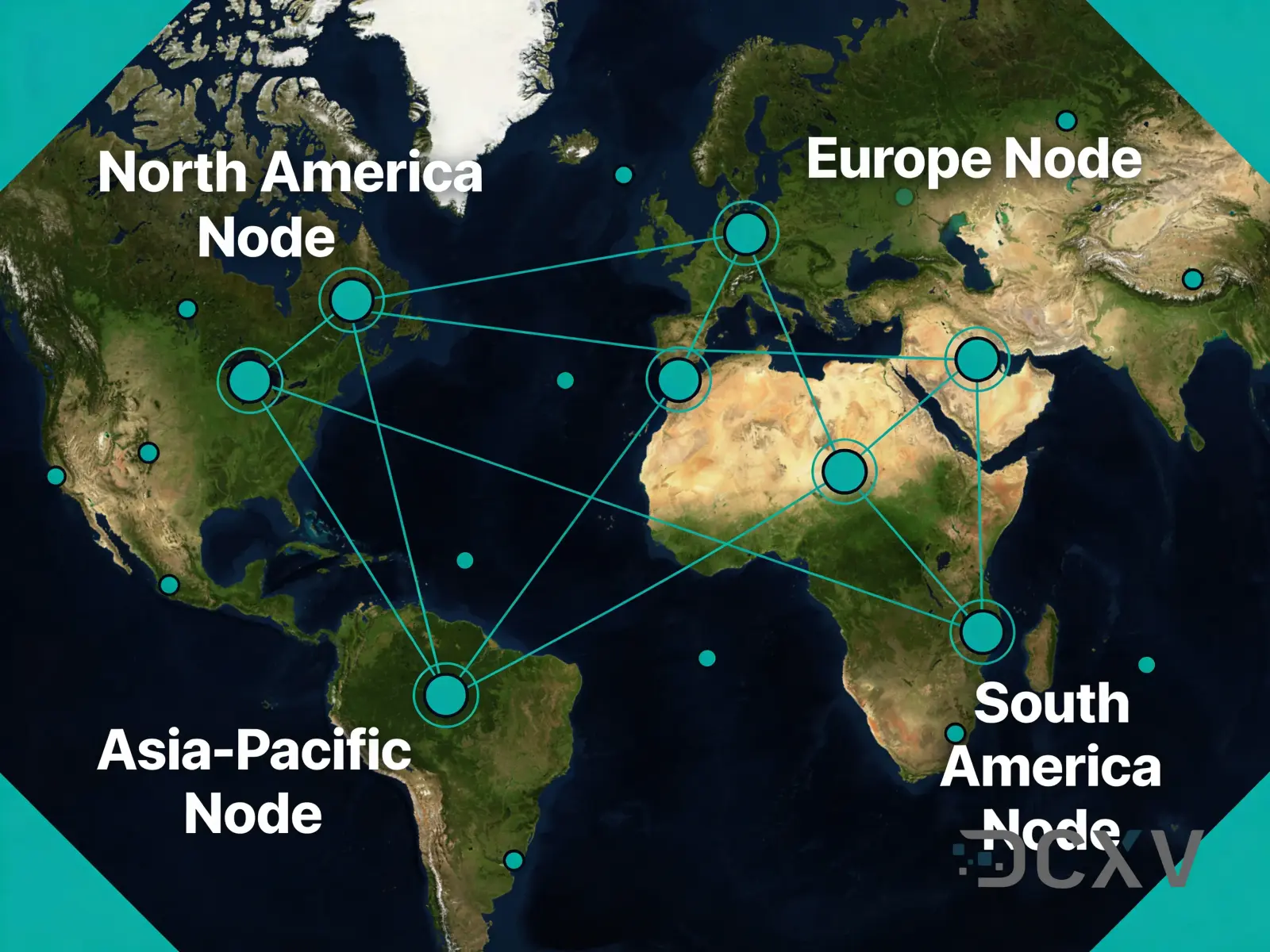
CDN operators typically build out PoPs following customer demand. For a CDN serving European traffic, RIPE addresses are appropriate for all European PoPs. North American PoPs should use ARIN space. Asia-Pacific PoPs benefit from APNIC addresses.
The key principle for CDN addressing is that the perceived routing origin of your IPs should match where your servers actually are. Geolocation databases (Maxmind, IP2Location) and BGP routing tables will flag mismatches, which can cause users to be directed to the wrong PoP or for your CDN to fail geo-targeting checks used by content licensors.
For a European CDN building PoPs in Czechia or Portugal, RIPE space is the correct choice. When expanding to North America or Asia, acquire registry-appropriate space for those regions separately.
How to verify a clean IPv4 block before buying
CDN IPs are used to deliver content to end users at scale. If your CDN IPs carry abuse history, corporate firewalls and security gateways will block your content delivery, making your CDN effectively useless for enterprise customers.
Run all candidate blocks through MXToolbox, Spamhaus SBL/XBL/PBL, SURBL, and AbuseIPDB. Check BGPView to confirm the block has been consistently announced by legitimate ASNs. Look specifically for any history of the block being used for spam distribution, phishing hosting, or DDoS amplification - these are the abuse categories most likely to generate persistent blacklist entries.
Verify that the block is not listed in any ISP-specific blocklists by testing reachability to major content properties. Some CDN operators test this by temporarily routing a sample IP on a test server and checking access to representative content platforms.
For anycast CDNs, also verify that the block you are purchasing can be accepted as a /24 announcement by major IXPs and transit providers. While /24 is the standard minimum, some providers have local policies that restrict smaller announcements.
Broker vs direct transfer - risks and benefits
CDN operators often need IPs quickly - a new PoP being brought online needs its address allocation ready before the servers can serve traffic. Direct transfers can be faster when you have a known seller and clean documentation, but the risk of delays due to documentation issues can hold up infrastructure deployments.
A broker provides certainty around timeline and handles the administrative complexity. For CDN operators whose PoP deployments are on a schedule, the predictability of a broker-managed transfer is often worth the fee.
DCXV is an IPv4 transfer broker for the RIPE NCC, APNIC and ARIN regions. We have experience supporting multi-PoP CDN operators and can coordinate simultaneous or sequential block acquisitions across registries. Contact ipv4@dcxv.com to discuss your rollout schedule. https://dcxv.com/ipv4/buy
Current market pricing and timeline (ranges only)
CDN operators frequently purchase multiple /24 blocks or a single larger block to cover their PoP network. Pricing per address typically decreases as block size increases, so buying a /22 rather than four separate /24s may offer better economics if your PoP architecture is compatible.
RIPE transfers complete in 2-4 weeks as a baseline. For CDN operators building to a launch date, engaging a broker early in the planning process allows buffer time for the transfer process without delaying your deployment schedule.
For current pricing on CDN-appropriate block sizes and multi-registry coordination, contact ipv4@dcxv.com. https://dcxv.com/ipv4/buy